
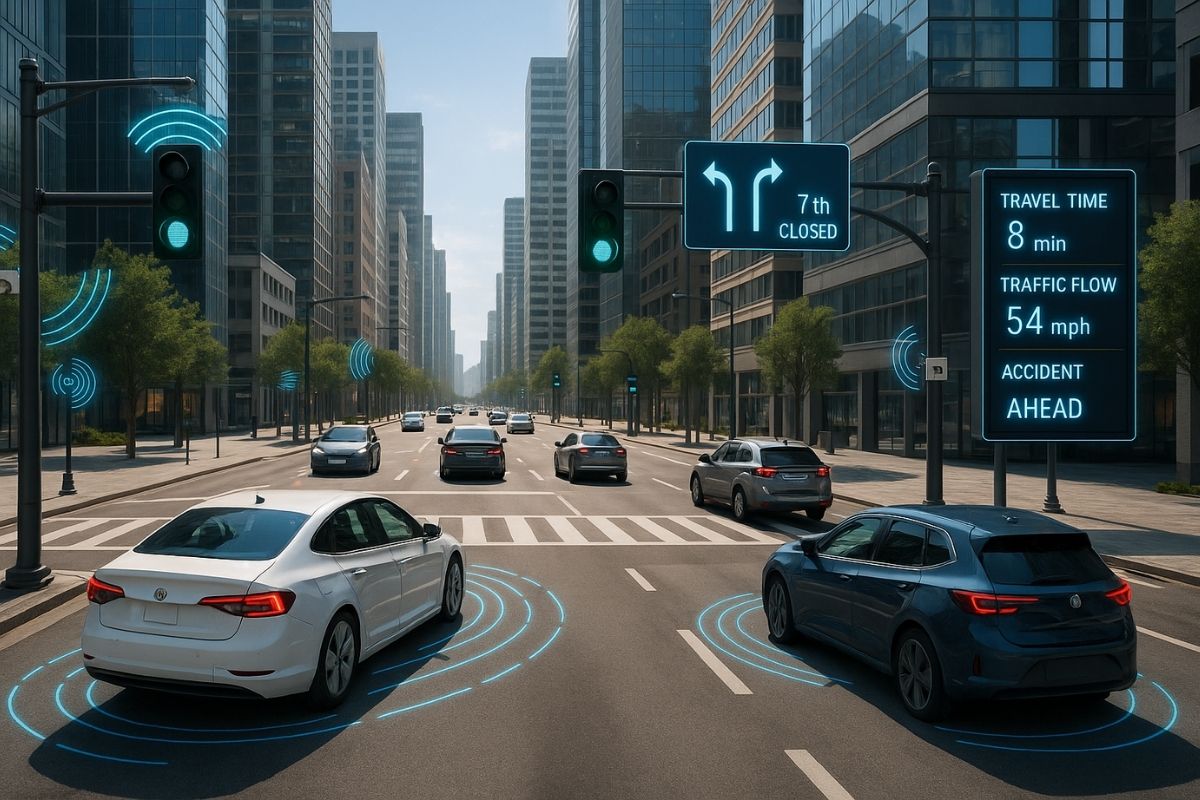
When AI takes the wheel: How artificial intelligence could save our world
Esteemed readers,
faced with increasingly frequent heatwaves, floods, and species extinctions, many ask: Do we still have enough time and resources to solve our environmental challenges? Or do we need an entity that makes decisions solely based on all available data: an artificial intelligence (AI)? Although this idea may sound futuristic or even frightening, pilot projects worldwide are integrating AI into government, administration, and environmental protection. This article systematically examines the concepts and emergency measures from our discussion, how they work, and what we can implement immediately, guiding you from a global overview to long-term strategies, step by step.
How Singapore, China, and Estonia Are Testing AI Projects
Singapore launched Smart Nation 2.0, which uses AI to detect online fraud (SATIS), manage public agency chatbots, and provide drafting tools for officials. AI handles 80% of citizen inquiries instead of humans. In China, the 2025 “Global AI Governance Action Plan” outlines 13 points to integrate AI into industry, education, and government, and proposes an international cooperation agency in Shanghai. Estonia, a digital pioneer, employs over a hundred AI applications: tax fraud detection, bill drafting acceleration with generative AI, and autonomous bus pilots.
Stopping Black Carbon: The 48-Hour Emergency Brake
Black carbon—soot from diesel, coal, and biomass—remains in the atmosphere only days but has a greenhouse effect 460–1,500 times greater than CO₂. An AI would address it as follows:
– Ban diesel vehicles in cities within three days.
– Shut down the worst industrial soot sources.
– Prohibit open burning.
– Ban heavy fuel oil in ports and coastal waters.
Such measures would yield measurable air quality and cooling improvements in polar regions within weeks.
Sealing Methane Leaks: Invisible Climate Bombs

Methane is the second most important greenhouse gas. An AI-driven satellite surveillance system would detect leaks in real time, dispatch repairs within 24 hours, and deploy feed additives that cut rumen methane emissions by up to 30%. This would drastically reduce methane within months.
Precision Agroecology: Revolutionizing Agriculture
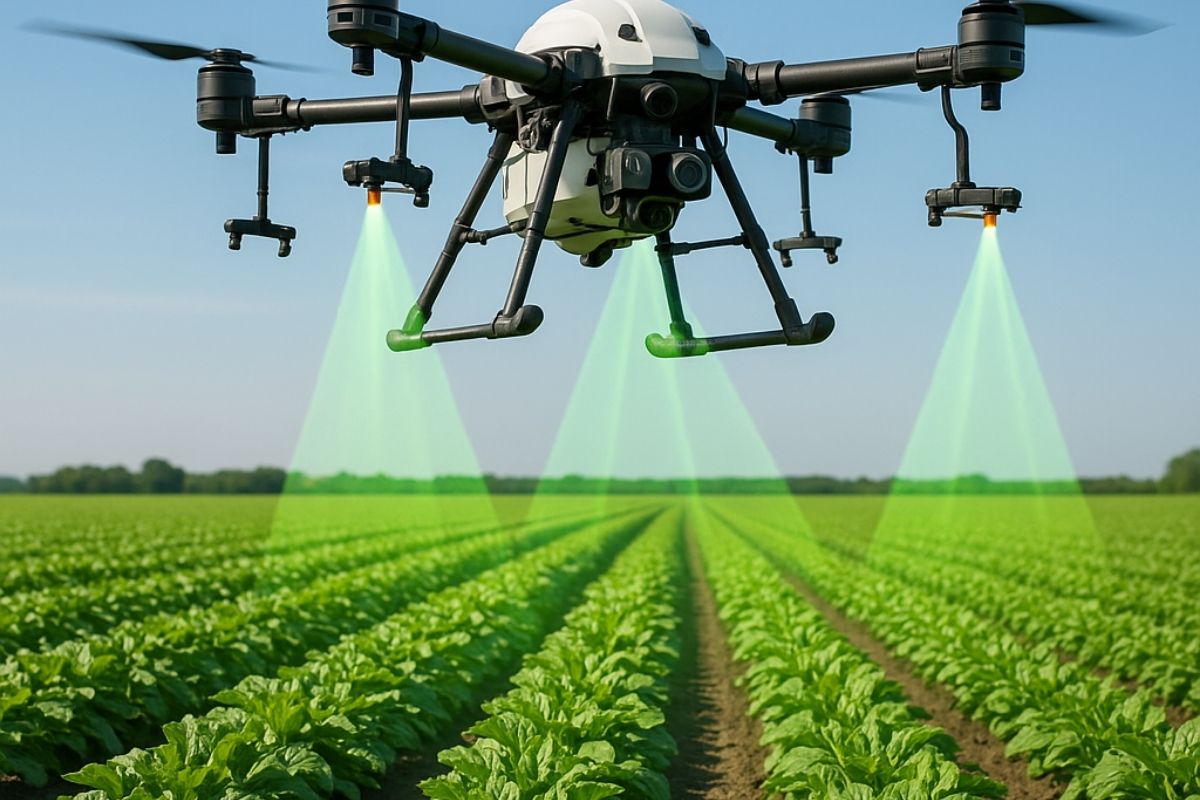
Industrial agriculture is often inefficient. AI-guided precision agroecology uses drones and sensors to:
1. Scan soil properties—pH, nutrients, moisture—meter by meter.
2. Apply targeted fertilization and irrigation, saving up to 70% of water.
3. Employ no-till robotic cultivation, reducing erosion by 90%.
4. Release beneficial insects.
5. Inoculate seeds with mycorrhizal fungi, cutting fertilizer needs by 50%.
Marginal lands become “CO₂ payback fields” planted with cover crops that sequester carbon.
Saving the Amazon: Drones and Community Power
For the Amazon emergency program:
– Enforce a total deforestation moratorium, monitored by satellites and drones.
– Deploy seed drones that drop native tree seed packs.
– Use smart contracts to reward farmers for restored hectares.
– Provide community apps for reporting illegal logging.
This combination of technology and local participation accelerates massive reforestation.
Rewilding Corridors: Weaving Biodiversity Back Together
AI algorithms identify and acquire land parcels to create wildlife corridors, reconnecting fragmented habitats. Key species like jaguars and tapirs are reintroduced in phases, guided by multi-species ecological simulations. Volunteers report sightings via apps, feeding real-time data back into adaptive management models.
Three Levels of AI Governance
Strategic Long-Term Planning
AI models analyze global trends in climate, demographics, and resources to set sustainable development goals and societal visions.
Daily Operations
Administrative workflows, resource distribution, and infrastructure management run automatically, maximizing efficiency and responsiveness.
Citizen Engagement
Personalized AI assistants answer questions 24/7 and enable direct participation in public decision-making processes.
Universal Basic Income as a Social Foundation
Finland’s experiment with €560 monthly showed UBI improves well-being and reduces stress but doesn’t automatically boost employment rates. An AI-led society would link UBI to automated training and job placement programs, guiding people toward creative and social endeavors.
Democratic Safeguards and Privacy Protection
The risk of an authoritarian turn is real: social credit systems with millions of cameras and predictive policing already operate in China and Russia. Essential protections include:
– Open, auditable algorithms.
– Independent oversight bodies.
– Digital referenda and veto rights.

Earthprint: Regenerate, Don’t Just Reduce
Beyond minimizing our ecological footprint, we need an earthprint: individuals and organizations actively regenerate ecosystems. With less than $0.10 per day, every steward can fund rewilding and reforestation projects that capture carbon and restore nature. Our motto: “If you really want it done, do it yourself.”
Why We Must Act Now
We have under six years before critical planetary tipping points. The benefits of these emergency measures far outweigh the costs. The technology exists; what’s missing is the political and social will to implement it.
Toward a Human-Machine Alliance
The future lies not in replacing humans with machines, but in a symbiosis of human values and AI capabilities. Together, we can build a world of justice, innovation, and environmental harmony for all living beings.
“The world would be far better if we listened more to our common sense, took time for each other, and treated everything with respect—the nature, the animals, and ourselves.”
Francesco del Orbe
Now is our time as stewards of Earth: sign the petition with the Global Alliance for the Rights of Nature and join the movement to regenerate our “children’s room,” Earth.


