

Dear readers,
What you are reading here is nothing less than the comprehensible decryption of a century-defining global issue—in a continuous narrative that explains all background, terms, relationships, and both economic and human absurdities thoroughly and accessibly for newcomers. Why is it worth discussing? Because we have a solution at hand that could alleviate the misery of billions, avert gigantic social and ecological costs, and that Europe could literally implement “from petty cash.” Step by step, section by section, you will learn about the causes, alternatives, and the unique leverage of global land restoration—and what all this has to do with our attitude towards nature, migration, and responsibility.
In a nutshell: How land and climate shape billions of lives
More than any other resource, the quality and fertility of our soils determines how safe, well-fed, and future-proof people’s lives are. Yet globally, this life-sustaining foundation is disappearing dramatically: In Africa, about 700 million hectares and in Latin America around 378 million hectares are already badly degraded—that’s together an area larger than Europe. Inexorably this figure grows, day by day: Especially industrial agriculture turns further millions of hectares per year into barren zones. Behind each hectare figure are people—1.99 billion, or about one in four people worldwide, are directly affected.
Smallholder families, who in Africa usually live on 2.6 hectares, often watch as their livelihoods disappear beneath their feet. This leads to hunger, social downfall, and a spiral of despair that drives more and more people into migration: first to neighboring regions, then to Europe—a connection that is rarely discussed openly.
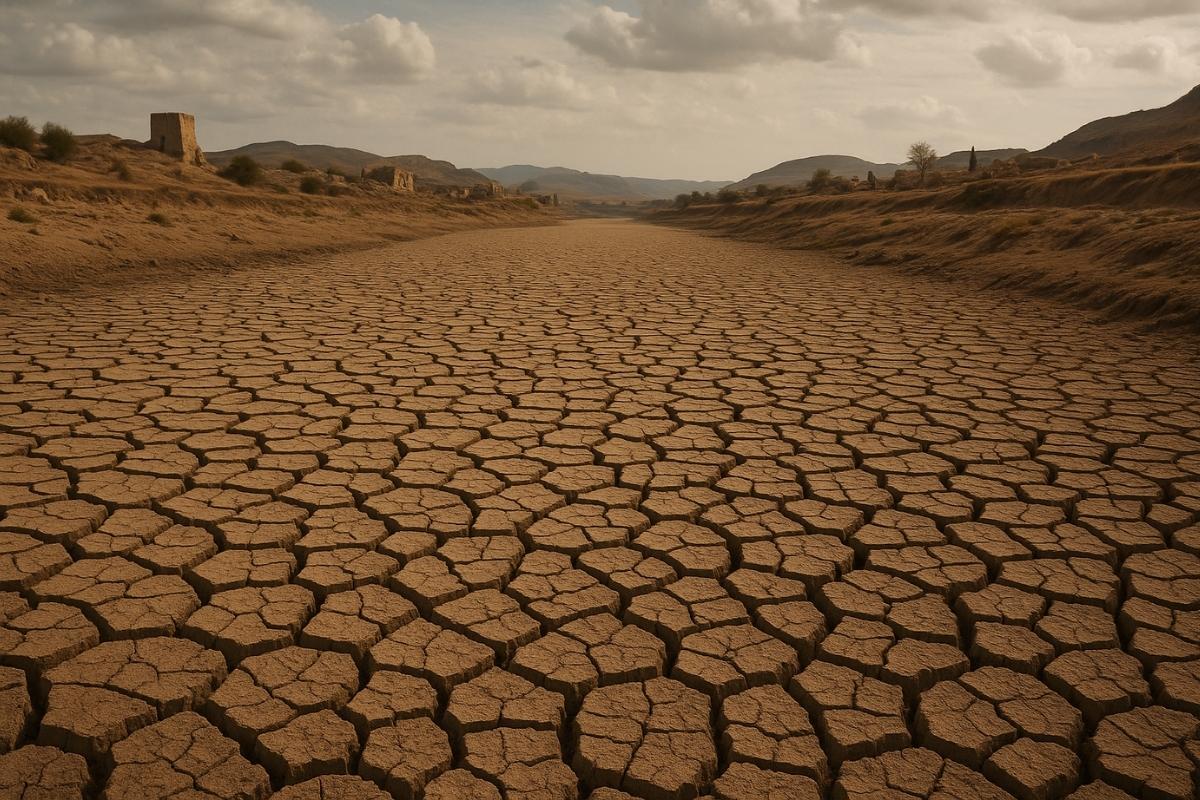
No one migrates willingly – Migration is a consequence of destroyed habitats
When rivers dry up, soils no longer yield crops, and droughts persist for years, millions are left with only one option: to flee. Predictions from organizations like the World Bank are clear: Already, over four million Latin Americans live in Europe, many as a result of environmental crises. By 2050, it is expected that in Sub-Saharan Africa alone, 86 million people will be forced to leave home due to climate and environmental changes. In West Africa, 32 million “climate migrants” are expected; 2.6 million are already displaced today due to weather disasters.
Even more: The official costs associated with all these challenges are astronomical. The EU calculates an annual expenditure of €124 billion on migration and integration, but the actual suffering—invisible hunger, broken families, lost traditions and homes—is priceless. Deporting rejected asylum seekers costs Europe between €15,000 and €25,000 per person—sometimes multiple times over.
The simple brilliance of FMNR: Agricultural revolution
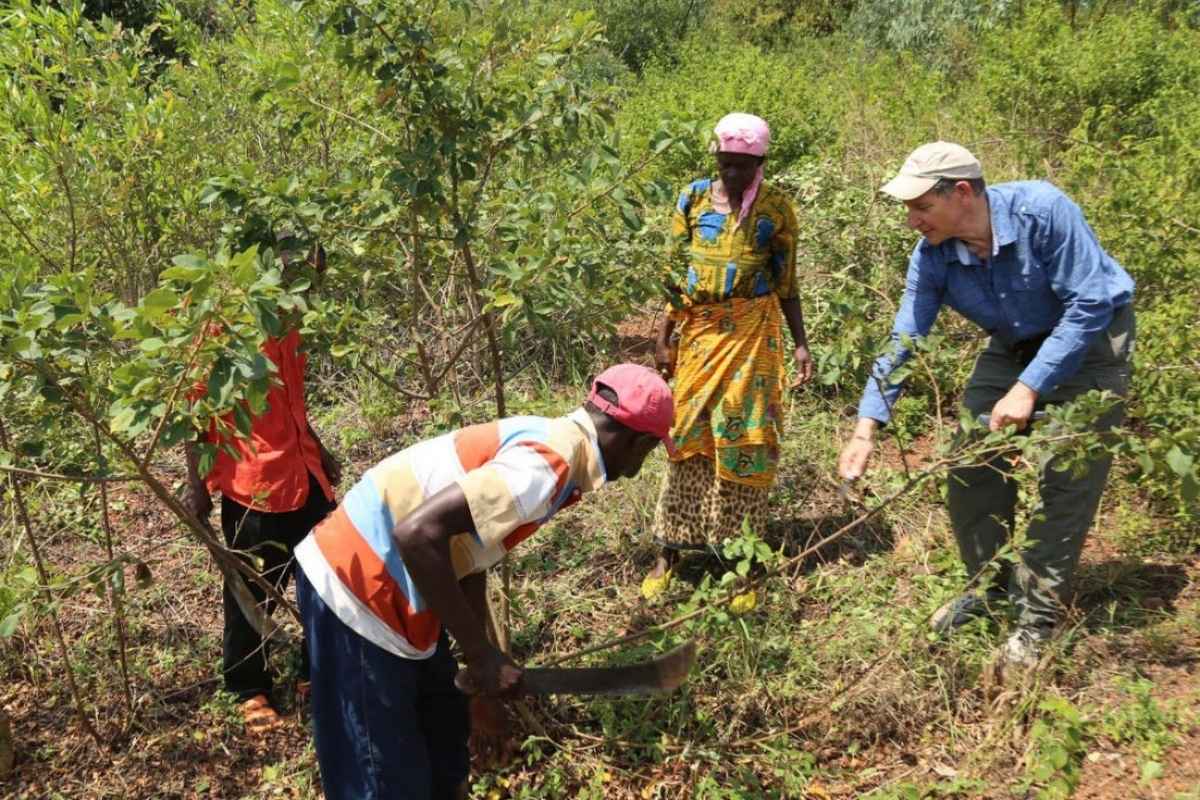
Must it be this way? The answer is clear: No! The solution is surprisingly simple and unparalleled in efficiency. The Farmer Managed Natural Regeneration (FMNR) method, developed by Tony Rinaudo, harnesses the power of ancient root systems in the soil. Instead of expensive new plantings ($400–8,000 per hectare with low success rates), existing tree stumps and roots are trimmed, tended, and naturally protected. The cost? Just $20–50 per hectare, with 80% success and first measurable yields after just one to two years.
Niger is legendary in this respect: In 20 years, an area larger than Switzerland was brought back into productive greenland. The result: 200 million trees returned, 500,000 extra tonnes of crops per year, $900 million in extra income. 4.5 million people regained dignity, food, and prospects. Similar outcomes can be seen in Ethiopia (Humbo: CO₂ storage, secondary income from carbon credits) and in numerous initiatives like “Justdiggit” or “Kiss the Ground,” which bring hope to millions for minimal investment.
Cheaper than any deportation: The explosive cost-benefit equation
The economic dimension is spectacular: Total restoration of all degraded land in Africa and Latin America would cost—a maximum—$54 billion as a one-off investment. That’s about 0.05% of global GDP, or roughly half of what Europe spends annually just on migration. Astonishingly, deporting a single rejected migrant can cost more than creating a permanent livelihood for an entire family at home.
The return is unique: Every dollar invested generates $7–$30 in value—climate, agriculture, water, biodiversity, and social stability. Shifting from symptom treatment to cause elimination means hundreds of millions are relieved each year, and costs drop dramatically.
Leading by example: Why FMNR and similar projects work everywhere
FMNR’s advantage is that it works with nature. Whether in Niger, Ethiopia or Latin American nations, wherever farmers are supported, trained, and enabled to act, immediate results emerge. The model works in both dry and humid regions, and can scale from small plots to vast areas, combining fast results with long-term sustainability.
Other projects show that a widescale shift to sustainable, extensive pasture also benefits soils, climate, and diversity—especially when business, politics, and communities collaborate.
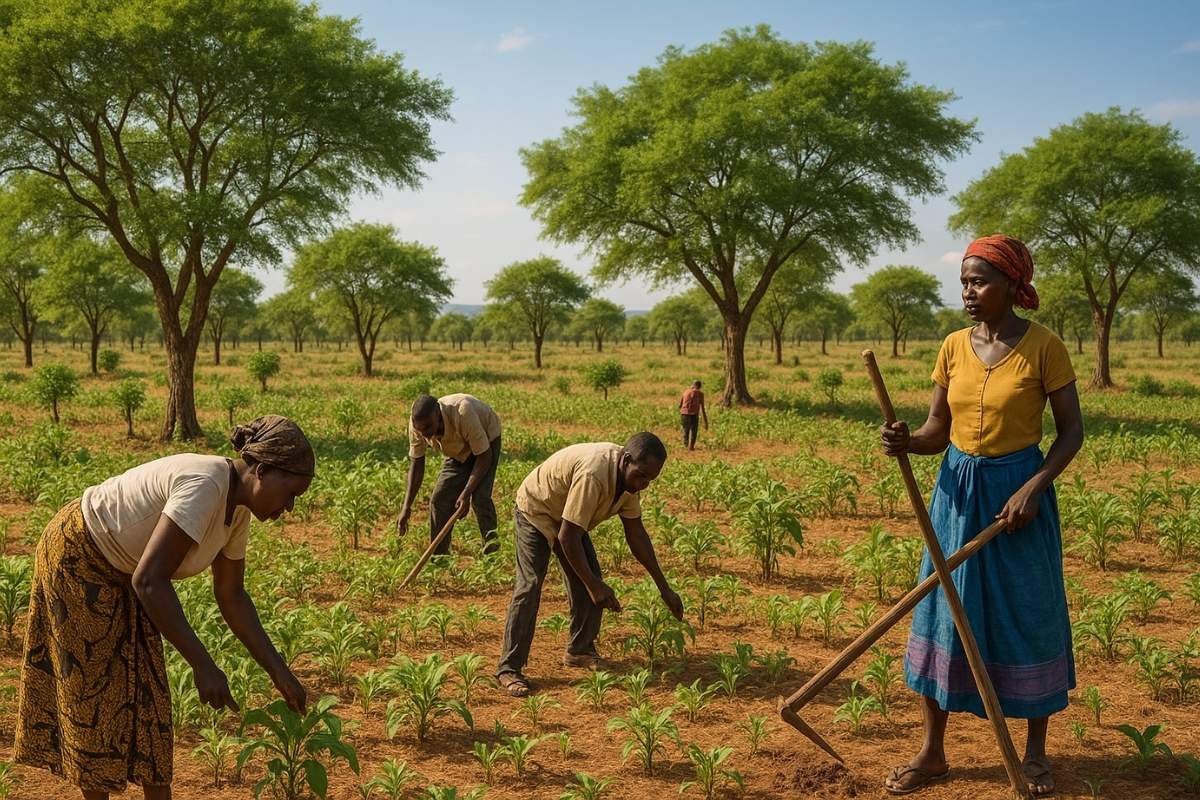
Turning climate change upside down: Bargain-basement CO₂ capture
Few people know that large-scale restoration could capture up to 25% of global CO₂ emissions each year. That’s like taking almost two billion cars off the road! And: each tonne of CO₂ sequestered in this way costs just $5–12.50—far less than even the cheapest technical solutions. Making restoration a part of climate protection enables enormous synergies: soil retention, social security, peace-building, and a sustainable future for generations to come.
What’s stopping us? Systemic blocks and the institutional “silo” fallacy
The solution exists—but it’s not being implemented. Why? Because agencies, organizations, and ministries often work “in silos”: environment, agriculture, social policy, migration, and foreign affairs run side by side, reinforcing inefficiency. Short-term thinking and election cycles prevent decade-based planning, lobby groups push “business as usual,” and bureaucracy discourages bold innovation.
The failure: tens of billions are spent each year on deportation, border security, and side effects, while the real opportunity—root-level solutions—is barely considered.
Europe’s real chance: Saving the climate and avoiding wars with petty cash
The reality: the funds are immediately available. If only a fraction of what is currently spent on bureaucracy, security, and deportations were redirected, action could begin right away. The successes in Niger, Ethiopia, World Vision, and Justdiggit show that small sums can change the future, and that deporting people as a policy goal could be replaced by investing in real opportunity.
Pushback against the solution? Common objections—explained and refuted
“Too expensive”? No—it’s cheaper than today’s standard policies.
“Too slow”? First improvements come after just 1–2 years, and full effect is reached sooner than current alternatives.
“Doesn’t work everywhere”? The method is flexible, using local resources and know-how.
“Governance and corruption”? Community integration and independent monitoring ensure lasting success.
What does this mean for us, our worldview, and the future?
This is a historic opportunity: with a single, globally modest investment, we could stem drought, migration, hunger, and many conflicts, free resources for innovation, and transform humanity from mere exploiters into stewards of the Earth. It’s up to us to shift from costly symptom management to responsible root-cause solutions.
A realistic path and a clear conclusion
The necessary knowledge is available, the financial means as well—all that’s missing is the courage to reset priorities and remove structural barriers. Europe could lead the way while saving double: money and human misery.
“The world would be much better if we listened more to our common sense, took time for one another, and treated everything with respect—nature, animals, and ourselves.” (Francesco del Orbe)
If you really want to make sure something gets done, just do it yourself!
Help become an Earthkeeper—and let’s turn the talk about change into action and real future prospects.
Sign now for the Rights of the Earth and show: solutions exist—now is our time to live them.


