
Amid our densely populated metropolises, where we rush between countless meetings, emails, and constant connectivity, we lose that precious quality we once called humanity. We yearn for warmth and belonging, yet daily life is marked by anonymity, housing shortages, and digital alienation. At the same time, we face a global crisis: hundreds of thousands suffer in conflicts, children starve, and we feel powerless to alleviate the world’s suffering. How did we stray from the values that once bound us together?
“The world would be so much better…”
Francesco del Orbe’s phrase—“The world would be so much better if we listened more to our common sense, took time for each other, and treated everything with respect: nature, animals, and ourselves.”—captures the essence. We have the means and intelligence to live with humanity, yet in the hustle of daily life, these virtues often go unused.
Why empathy fails in urban life
In cities, one in ten suffers from burnout, and according to the Amnesty Report, we live in a rights crisis: funding for humanitarian aid is cut, and violence against civilians rises sharply. In this desperate situation, we should unite—yet we lose ourselves in digital distractions. Statistics show Germans spend more than an hour daily on TikTok, while real-life encounters dwindle. Information overload erodes our attention; those jumping between notifications rarely have the mental capacity for genuine listening or spontaneous compassion.
Animals as living examples of empathy
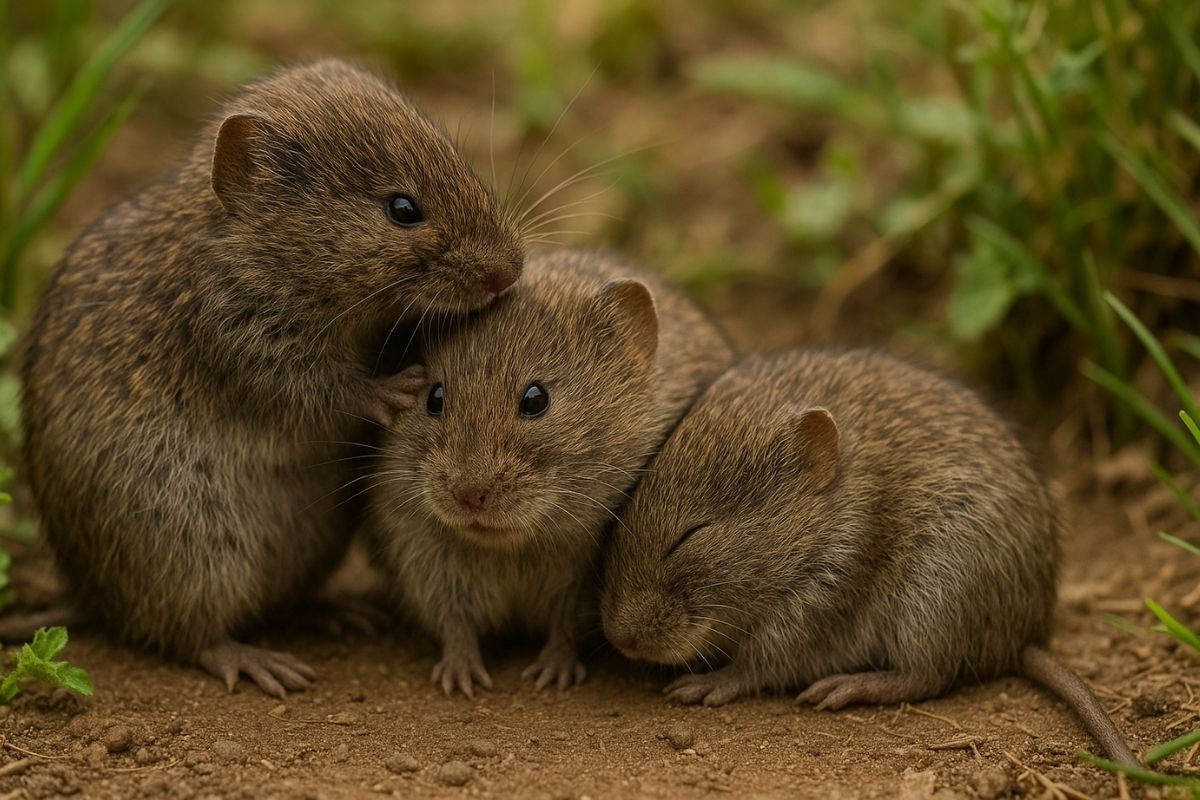
Unlike us, animals practice empathy and solidarity instinctively. Rats free trapped cage-mates without expecting reward; they cooperate with strangers they’ve never met. Prairie voles comfort anxious partners with gentle grooming, and dolphins risk their lives to bring injured peers to the surface. Neuroscience reveals that in rat brains, the same neurons that respond to personal pain activate when witnessing another’s suffering. This biological foundation for empathy contrasts starkly with our human tendency to help only when personal gain or family ties are at stake.
All generations caught in the work whirlwind
Contrary to the myth of lazy youth, data shows all generations work more than ever. Among 20- to 24-year-olds, labor participation is nearly 76%, and 56% of students hold part-time jobs. In the 25–64 age group—Millennials and Gen X—the rate reaches almost 88%; even 65.4% of 60–64-year-olds remain employed. Baby Boomers contribute beyond retirement age. This heavy workload leads to chronic exhaustion and hampers our capacity for empathy.

Barriers to living out humanity
We desire empathy and solidarity, no doubt. But internal roadblocks like fear of vulnerability, cognitive dissonance between ideals and reality, and a focus on self-interest stifle good intentions. External factors—performance pressure, competitive culture, digital fragmentation, and impersonal bureaucracy—further erode compassion. In rigid hierarchies and large systems, we unlearn spontaneous action and genuine connection.
Longing for the village: Blue Zones inspiration
Rural areas offer a counterpoint to urban loneliness. In Blue Zones—regions where people live longer and healthier—intergenerational networks, plant-based diets, daily purposeful movement, and community support are key. Remote work plus fiber-optic connectivity can transform villages into digital hubs, enabling telecommuting alongside community-driven projects: shared gardens, childcare circles, and permaculture initiatives.
Rediscovering craftsmanship
Tapping into retirees’ and artisans’ expertise spawns a craft revival: cooperative workshops where youth learn from carpenters and tailors, and dual training partnerships between schools and local businesses. Shared workspaces provide tools and forge a sense of hands-on creation. Growing your own vegetables or building a wall yields immediate satisfaction and bolsters mental health.
Humane agriculture as an ethical compass
Moving away from centralized slaughterhouses and large dairies doesn’t mean abandoning animal products—it redefines their quality. Animals graze naturally with social bonds intact, are humanely slaughtered in local butcheries, and older dairy cattle can live their final days in sanctuaries. Meat and milk consumption becomes conscious and moderate, tied directly to local producers.
Ecological balance through circular economy
Rewilding cooperatives restore wetlands and pastures, cultivate heirloom orchards, and boost biodiversity. Permaculture plots enhance soil fertility and water retention. Manure replaces massive slurry pits and enriches fields. These regional loops stabilize climate, cut emissions, and fortify communities against global crises.
Rethinking community: digital, decentralized, direct
We don’t need overarching central administrations but local units linked digitally. Neighborhood cells decide in co-working spaces on communal projects—from road improvements to cultural festivals. Telemedicine and digital education complement local services, while on-demand shuttles and ridesharing ensure mobility.
A future-ready synthesis instead of nostalgia
This isn’t about a century-long rewind but fusing traditional values—cooperation, tangible work, nature connection—with modern tech: telecommuting, telehealth, renewables, and digital platforms. The result is a lifestyle where stress and loneliness wane, social bonds deepen, and innovation thrives.
An Earthprint that builds tomorrow
The positive Earthprint—the regenerative impact on Earth, climate, and community—grows when individuals take responsibility. As Erdenhüter and members of the Global Alliance for the Rights of Nature (GARN), we champion safeguarding our “Earth nursery.” “If you really want something done, do it yourself.” Join by signing the petition at https://www.rightsofmotherearth.com/what-we-do and be part of the movement.
Conclusion: rediscovering humanity with nature’s help
We stand at a turning point: By learning from animal empathy, redesigning work models to make room for compassion, revitalizing villages, decentralizing agriculture, and strengthening community, we can forge a sustainable, healthy, and truly human society in harmony with nature and ourselves.


