
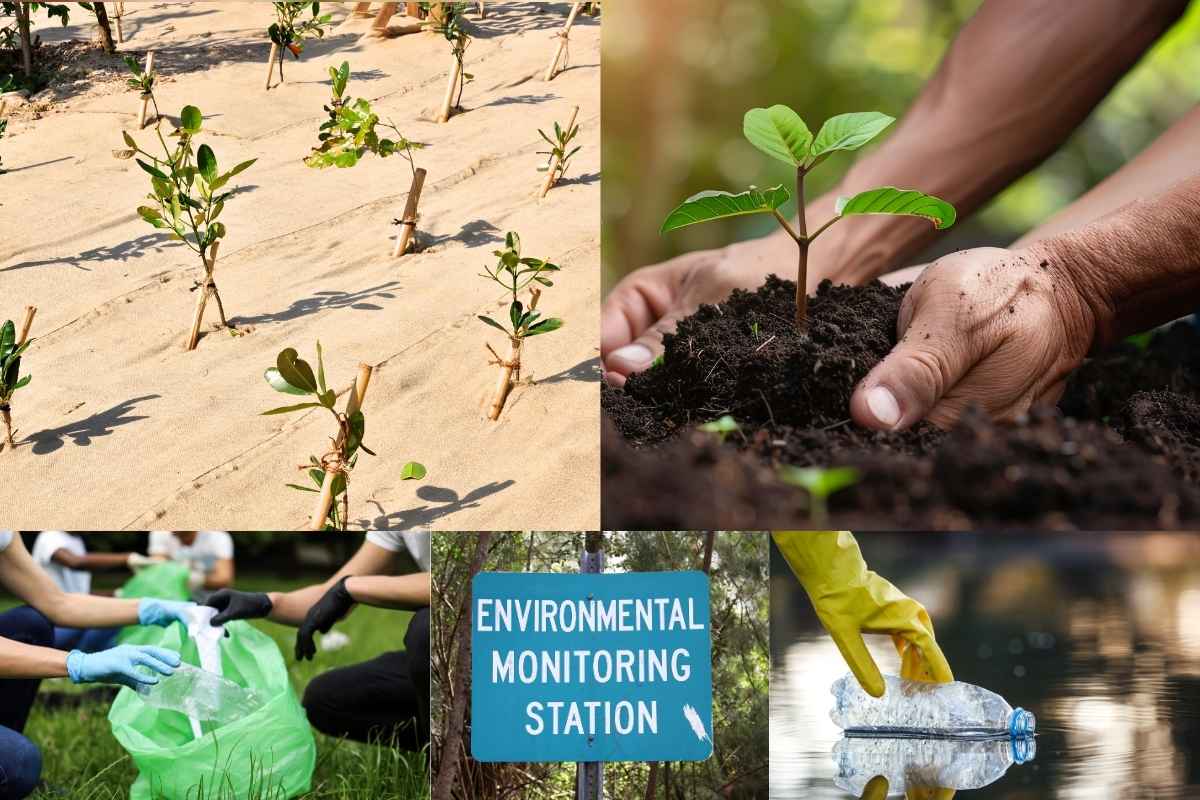
The Worldwide Transformation of Agriculture and Ecosystem Restoration
Natural solutions already exist – and they work around the world. The scale is massive, and programs are underway on every continent. Here are the concrete facts about global opportunities:
Industrial Agriculture: The Problem in Numbers
Industrial agriculture is one of the largest contributors to climate change worldwide. Agriculture, forestry, and other land use activities account for 23% of global net greenhouse gas emissions. That means 16.2 billion tons of CO₂ equivalent per year from the agri-food system.
Main contributors:
- Livestock farming: 6.2 billion tons CO₂-eq/year – 12% of all human-caused emissions.
- Synthetic fertilizers: 1.13 billion tons CO₂-eq/year – over 2.1% of global emissions.
- Land use change: 3 billion tons CO₂/year due to deforestation for agriculture.
Regenerative Agriculture: The Global Revolution
The numbers reveal its vast potential. The global market for regenerative agriculture is projected to grow from $8.6 billion in 2025 to $30.8 billion by 2034, an annual growth rate of 15.2%.
Currently, only 15% of global farmland is managed regeneratively – by 2030, at least 40% is needed to meet the 1.5°C climate goal.
Impressive results:
A new study by the European Alliance for Regenerative Agriculture, including 78 farms across 14 countries, shows:
- Only 1% yield reduction, but with 62% less synthetic nitrogen and 76% less pesticides.
- 27% higher overall efficiency than conventional farms.
- Up to 141.3 million tons of CO₂ could be saved annually in Europe through regenerative agriculture alone.
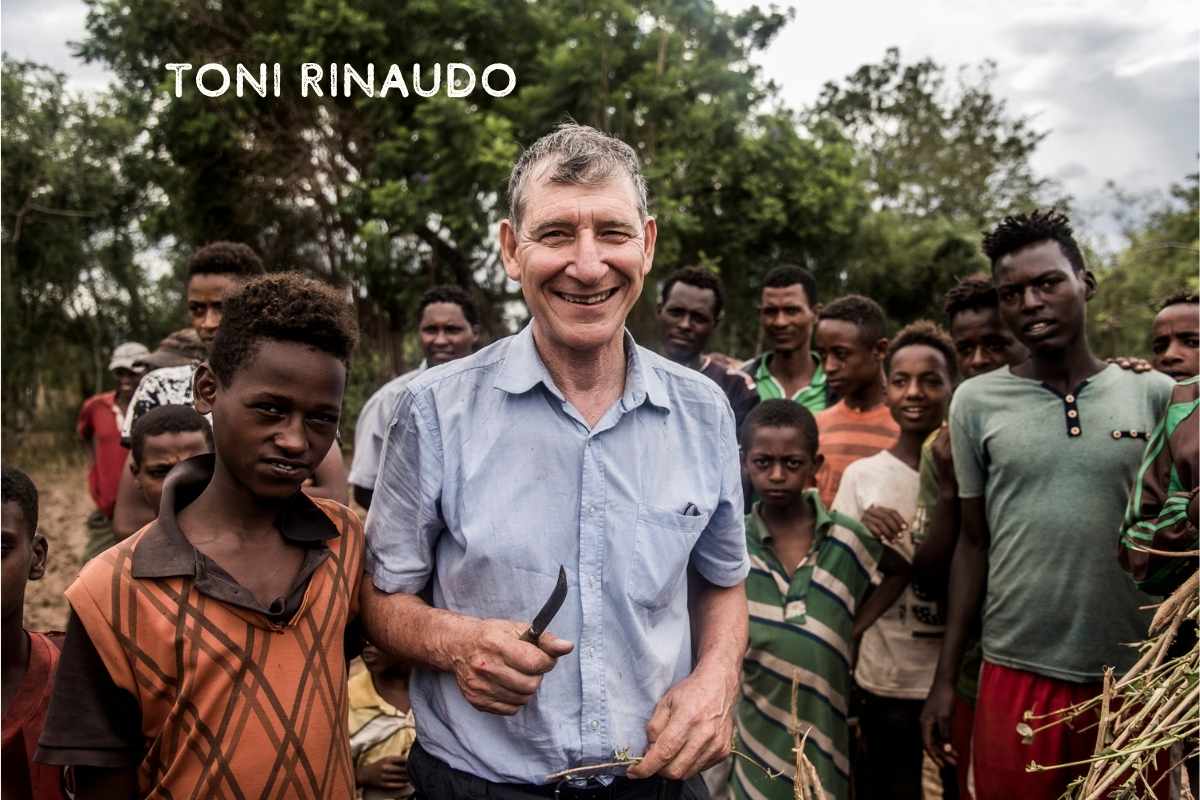
FMNR: Tony Rinaudo’s Global Revolution
Farmer Managed Natural Regeneration (FMNR) is one of the world’s most successful ecosystem restoration techniques. Developed by Tony Rinaudo, “The Forest Maker”, it’s now used in over 24 African countries.
Achievements in Niger alone:
- 5 million hectares restored, over 200 million trees.
- 50,000 tons of extra grain produced annually
- 2.5 million direct beneficiaries
FMNR works through:
- Regenerating trees from existing stumps and roots.
- Protecting them from overgrazing & managing regrowth.
- Cost-effective restoration with minimal investment.
Africa: Great Green Wall and AFR100
The Great Green Wall is the most ambitious restoration project in the world:
- Goal: Restore 100 million hectares by 2030
- Current status: 30 million hectares already restored (30% of the goal)
- 8,000 kilometers from Dakar to Djibouti
AFR100 (African Forest Landscape Restoration Initiative) has already achieved 127.77% of its target with commitments from 31 African countries for over 100 million hectares .
Latin America: Initiative 20×20
Initiative 20×20 is already delivering concrete results:
- 20 million hectares committed by eight countries
- $365 million in private financing pledged
- Leading countries: Mexico (8.5 million hectares), Peru (3.2 million hectares), Guatemala (1.2 million hectares)
Justdiggit: Tech-Driven Scaling
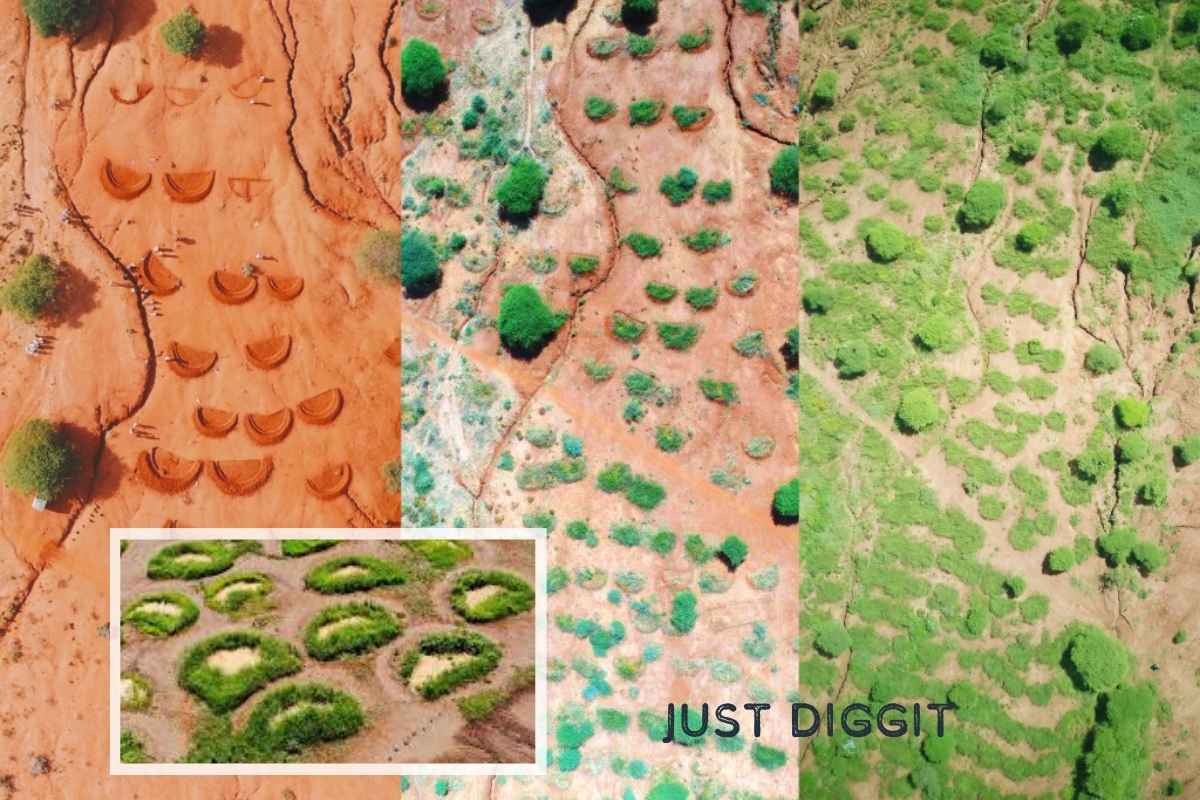
The Dutch NGO Justdiggit uses communication technology to scale landscape restoration efforts across Africa. They collaborate with millions of farmers and herders to green degraded land using proven sustainable land management methods.
Key methods:
- Rainwater harvesting bunds to restore semi-arid lands.
- FMNR support to help regrow cut trees.
- Mobile technology to train and coordinate millions of land stewards.
Continental Restoration Programs: The Big Picture
Asia: China’s 70 Billion Tree Pledge
China will plant and restore 70 billion trees by 2030, part of the global Trillion Trees Initiative.
Achievements:
- Great Green Wall against the Gobi Desert since 1978
- Sandstorms reduced by 20% from 2009 to 2014
- The restored Loess Plateau (640,000 km²) became a thriving ecosystem, with increased crop yields, incomes, and improved water quality.
- Europe: Nature Restoration Law
The EU passed the world’s most ambitious restoration law:
- 30% of degraded habitats restored by 2030
- 60% by 2040, 90% by 2050
- Legally binding targets for all EU member states.
Australia & Oceania: Rewilding Australia
WWF Australia’s Regenerate Australia program:
- Reintroducing extinct native species, like the Eastern Quoll
- Large-scale rewilding and ecosystem restoration
- Integrated with national climate strategies, especially after the 2019/20 bushfires
Global Coordination: World Resources Institute & UN Decade
The World Resources Institute coordinates global restoration across continents with over 50 experts.
Over 70 governments have pledged to restore 210 million hectares – an area the size of Mexico.
The UN Decade on Ecosystem Restoration (2021–2030) has selected 17 World Restoration Flagships:
- Will restore 158 million hectares
- Create 15.5 million jobs by 2030
- 20% of the area is already under restoration
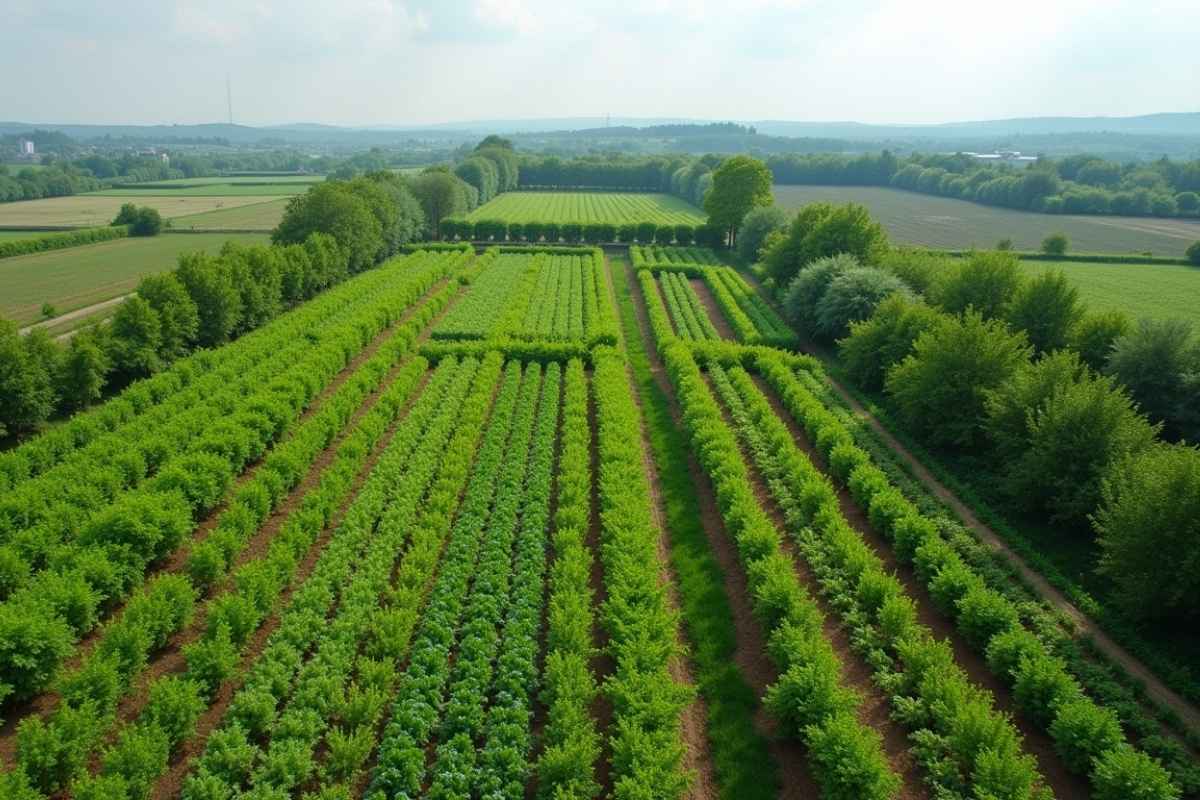
Agroforestry: The Billion-Dollar Industry
The global agroforestry market is expected to grow from $100.5 billion (2023) to $191.3 billion (2032) – an annual growth of 6.36%.
Silvopasture systems alone store 43% more carbon than treeless grazing lands (136.42 vs. 95.47 Mg C/ha).
Trillion Trees Initiative: The Global Movement
This initiative combines WWF, BirdLife International, and WCS.
As of 2023: over 14 billion trees planted worldwide.
Goal: 1 trillion trees by 2050 – covering more land than India.
Costs: Surprisingly Affordable
A new study shows: Implementing all 115 national restoration commitments would cost only 0.04–0.27% of global GDP per year over 10 years – about $311 billion to $2.1 trillion.
Compare that to the much higher cost of technological CO₂ removal.
Return on investment:
– Every $1 invested brings $7 to $30 in economic returns.
Eden Reforestation Projects: Scaling in Action
The NGO Eden Reforestation Projects demonstrates successful scaling:
- Over 20 million trees planted per month
- 485 million trees by end of 2020
- Target: 500 million trees yearly by 2025
- Active in 8 countries: Madagascar, Haiti, Nepal, Indonesia, Mozambique, Kenya, Honduras, Nicaragua
Conclusion: Nature Works – If We Let It
The facts are clear:
Natural solutions already exist and are in action globally.
115 countries have pledged to restore almost 1 billion hectares of land. Regenerative agriculture alone could save 141.3 million tons of CO₂ in Europe annually. FMNR restored over 5 million hectares in Niger.
The technology exists.
The funding is affordable.
The programs are running.
From Tony Rinaudo’s FMNR in Africa to Justdiggit’s tech-driven expansion to China’s 70-billion tree pledge – natural solutions are not a dream. They are reality.
The issue is not technical, but political:
We must scale proven solutions now while transforming industrial agriculture.
Nature won’t wait – but it works, if we support it.
Author: Francesco del Orbe 🌍


